Gongfu Tea: The Soul of Chaoshan Culture in a Tiny Teapot
Walk down any street in Chaozhou or Shantou, and you’ll notice something peculiar: nearly every shopfront has a small tea set on a side table, and every household seems perpetually mid-tea-session. This is Gongfu tea — the lifeblood of Chaoshan culture.
Not “Kung Fu” — “Gongfu”
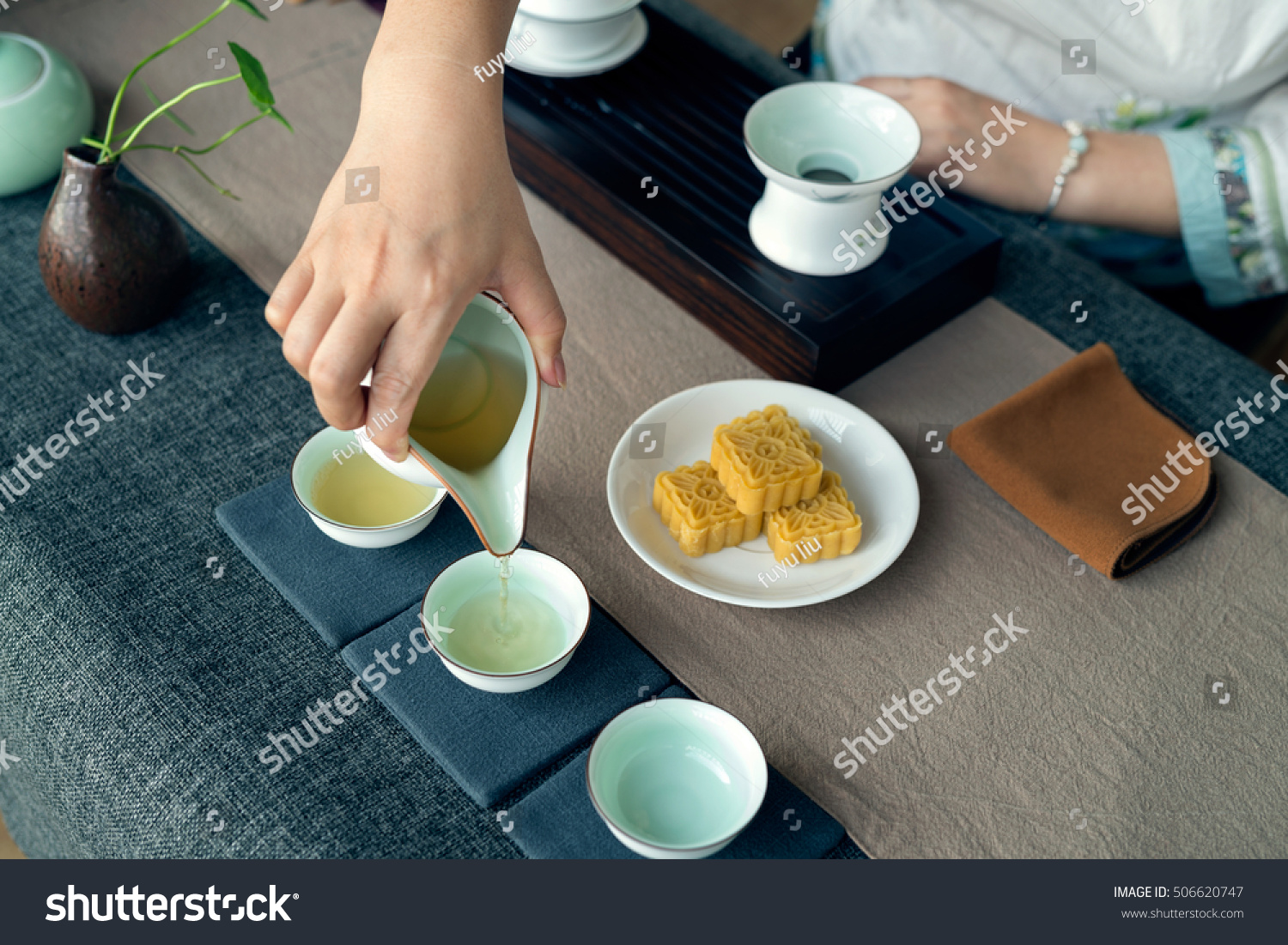
Despite sharing a similar romanization, Gongfu tea (工夫茶) has nothing to do with martial arts. The characters mean “skill and patience” — and once you witness the ceremony, you’ll understand why. Every step, from warming the cups to pouring the tea, is performed with deliberate, practiced precision.
The Three-Cup Philosophy
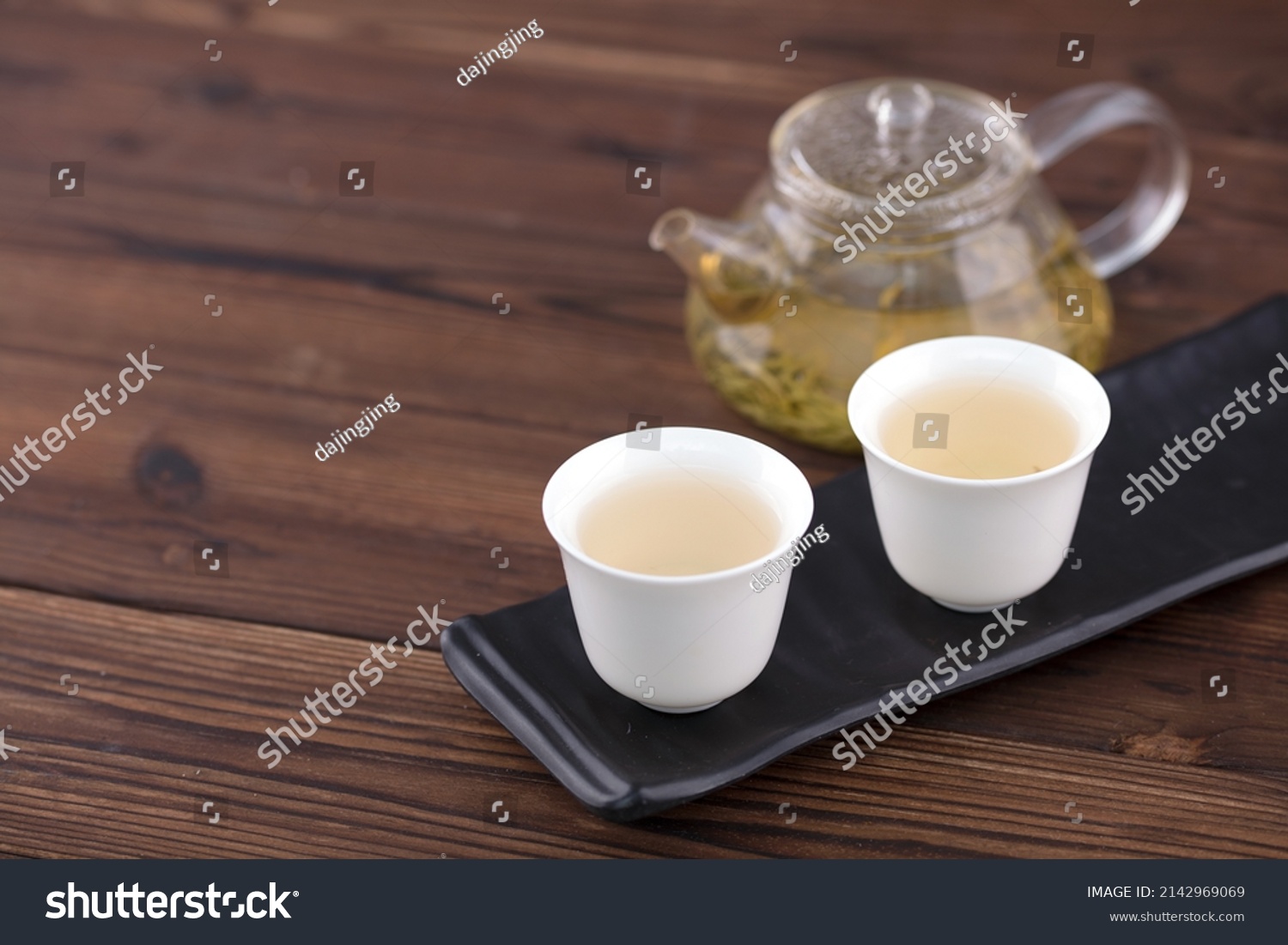
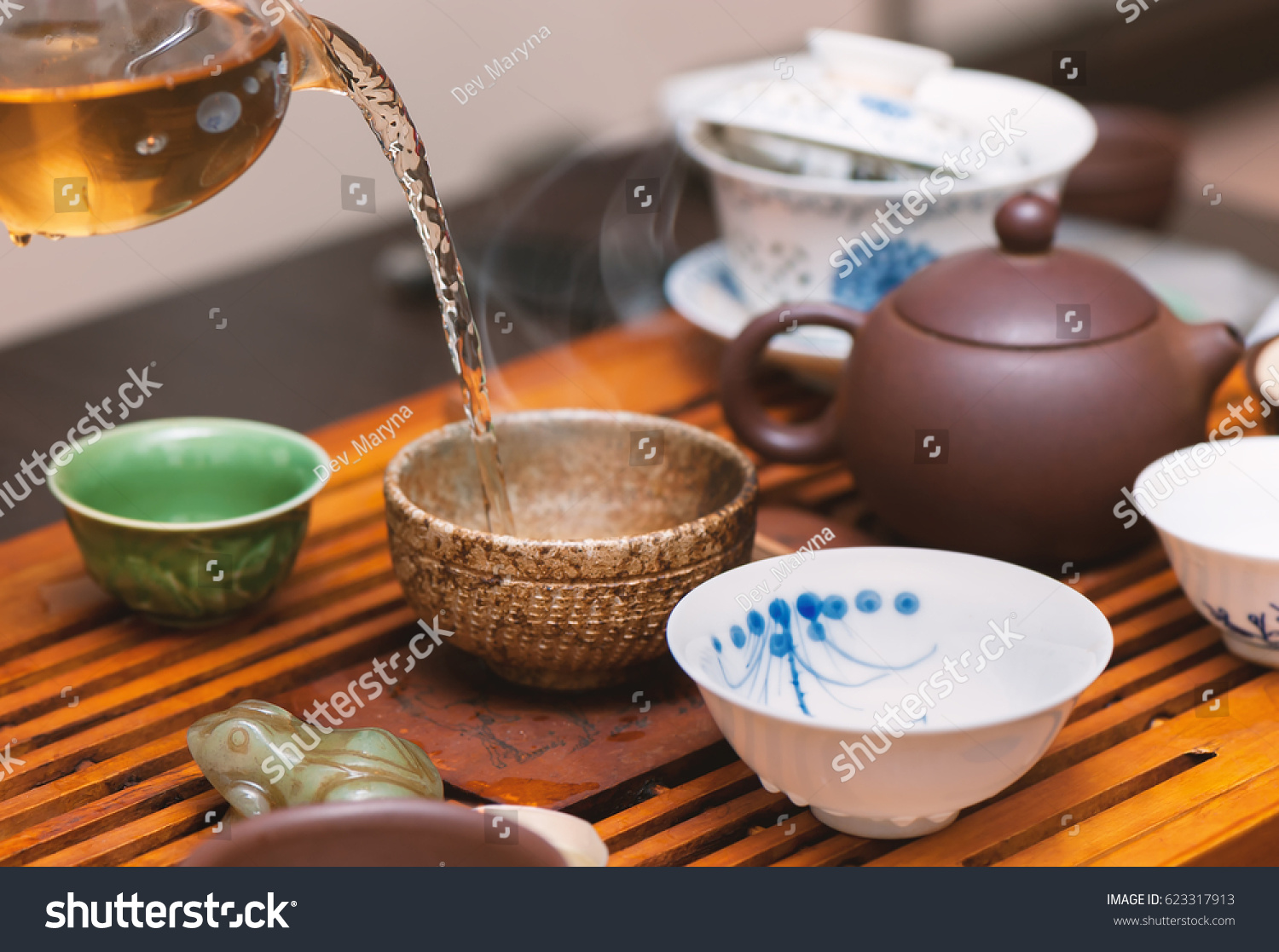
A traditional Gongfu tea set uses a tiny Yixing clay teapot (about the size of an orange) and exactly three thimble-sized cups. Why three? The saying goes: “One cup for tasting, two for quenching thirst, three for the pleasure of company.” Tea in Chaoshan is never a solitary activity — it’s an invitation to conversation.
The Ritual

The ceremony begins with heating water to precisely the right temperature. The teapot and cups are rinsed with hot water — both for hygiene and to warm the vessels. Tea leaves, typically Tieguanyin or Phoenix Dancong oolong, fill the pot nearly to the brim.

The first infusion is discarded — this “awakening” of the leaves washes away any dust and opens the leaves for the real brewing. Subsequent infusions are steeped for mere seconds before being poured in a continuous circular motion, ensuring each cup receives tea of equal strength.
A Way of Life
In Chaoshan, Gongfu tea transcends the beverage itself. It’s served at business negotiations, family gatherings, and casual street-side chats. It’s offered to guests before any words are exchanged. It’s the first thing you do in the morning and the last thing before bed.
The Chaozhou saying captures it best: “Better to go three days without food than one day without tea.”