Chaoshan Beef Hotpot: The Ultimate Guide to China’s Most Famous Hotpot
When people talk about Chinese hotpot, the first thing that comes to mind is usually the fiery Sichuan mala version. But travel south to the Chaoshan region, and you’ll discover a completely different world — one where the purity of ingredients and the art of butchery take center stage.
The Art of Beef Butchery

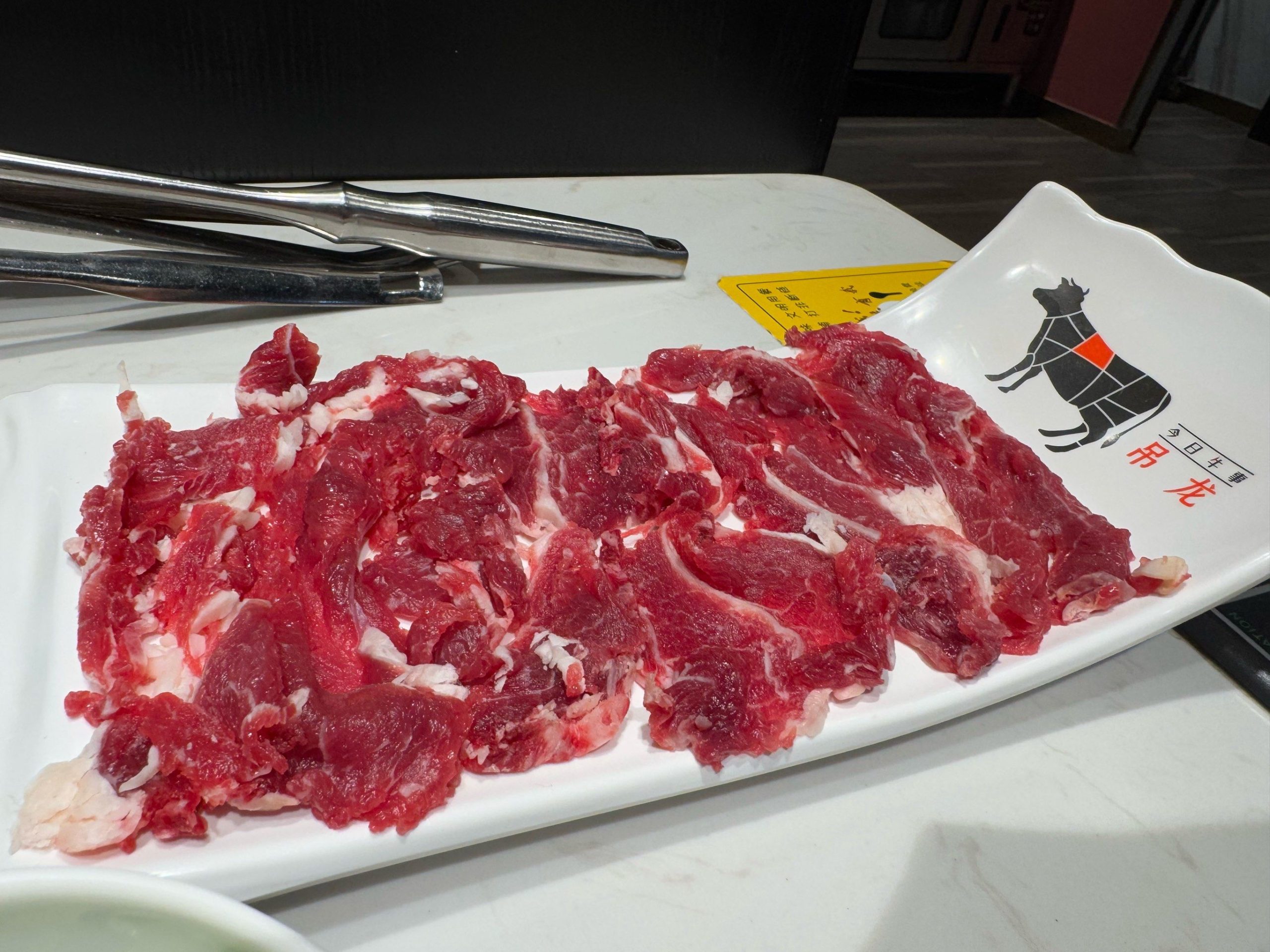
In Chaoshan, beef isn’t just meat — it’s an obsession. Skilled butchers can identify and separate over 10 different cuts from a single cow, each with its own unique texture, cooking time, and flavor profile. From the marbled “snowflake” neck meat to the lean and tender rump, every part has its place in the pot.
The key to Chaoshan beef hotpot is freshness. The best restaurants source their beef from cattle slaughtered that very morning — some even within hours of serving. The meat is so fresh it’s still warm when it arrives at your table.
The Clear Broth Philosophy
Unlike its Sichuan cousin, Chaoshan hotpot uses a remarkably simple broth — often just water with a few slices of white radish, corn, and a handful of celery. This minimalist approach isn’t laziness; it’s a deliberate choice to let the beef’s natural flavor shine through.
Each cut of beef is dipped into the boiling broth for just seconds — 8 to 15 seconds, depending on the cut. The result is meat that’s tender, juicy, and bursting with beefy flavor that needs nothing more than a quick dip in the signature Shacha (satay) sauce.
The Iconic Beef Balls

No Chaoshan hotpot meal is complete without the legendary hand-pounded beef balls. These aren’t your ordinary meatballs — they’re made by violently pounding fresh beef with heavy iron rods for over 30 minutes until the meat transforms into a smooth, springy paste. The result is a bouncy, juicy sphere that literally bursts with flavor when you bite into it.
Where to Eat

The most famous beef hotpot restaurants are found in Shantou city, particularly in the Jinping district. Bahe Lihai (八合里海记) is the most legendary establishment, often requiring a 2-hour wait during peak times. For a more local experience, try the smaller family-run shops where the beef comes from the owner’s own farm.
Pro tip: Visit during lunch (11 AM – 1 PM) when the beef is at its freshest, having been delivered just hours after the morning slaughter.