Yingge Dance: The Mesmerizing Warrior Dance of Chaoshan
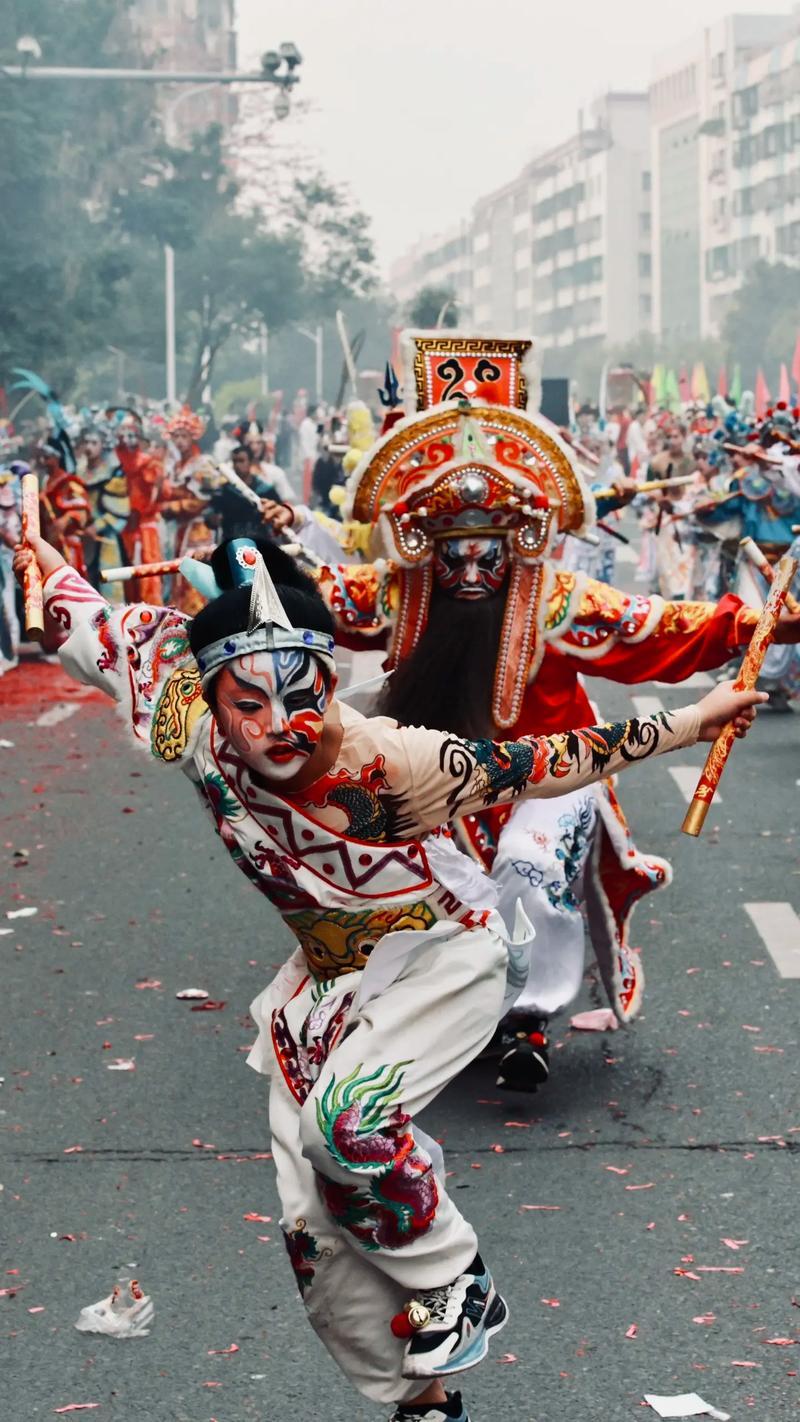
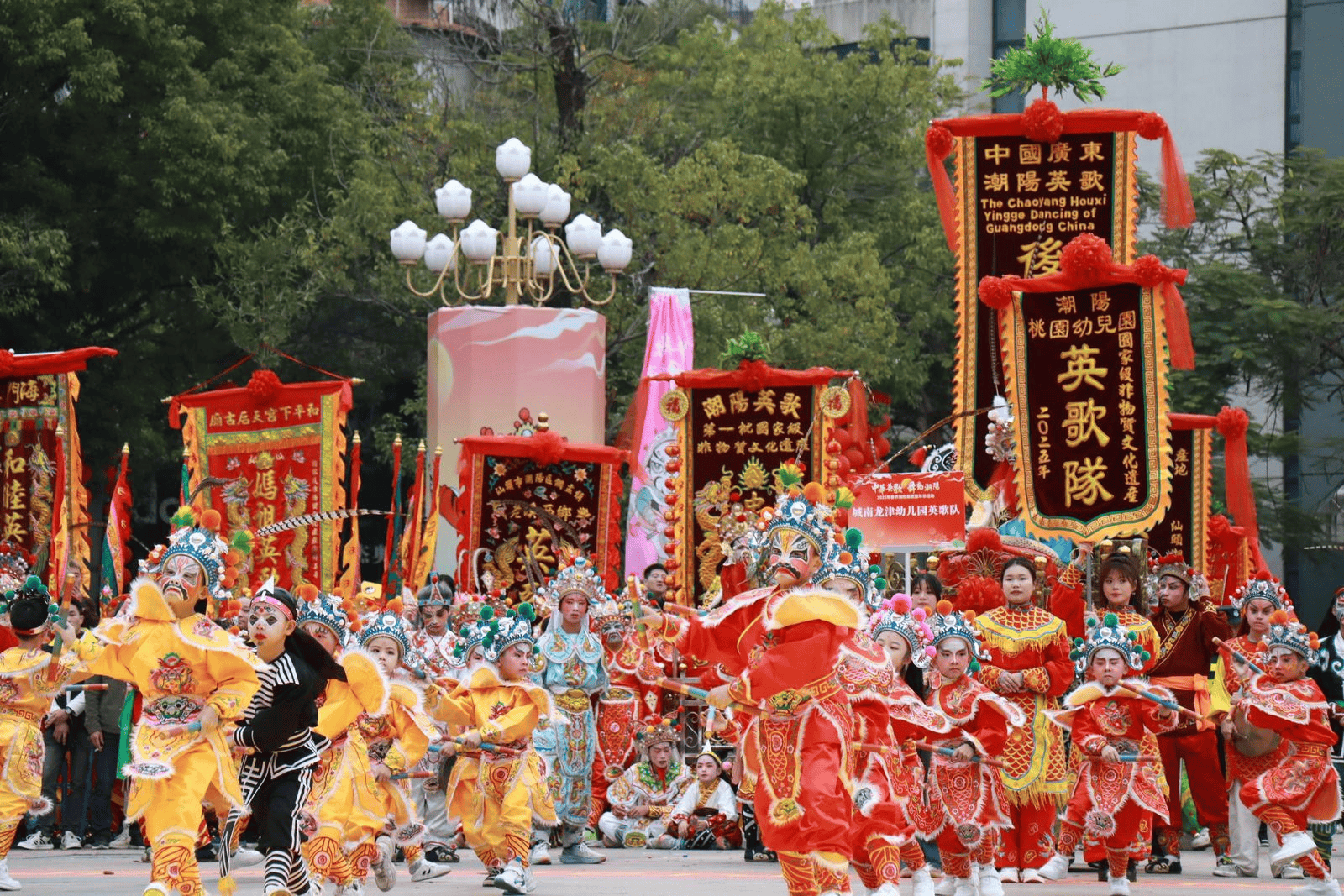
Imagine 108 men, faces painted in bold colors, moving in perfect synchronization to the thunderous beat of drums. Their movements are martial yet graceful, their expressions fierce yet joyful. This is Yingge — the “Hero’s Song” dance that has been performed in Chaoshan for over 400 years.
Origins of the Dance
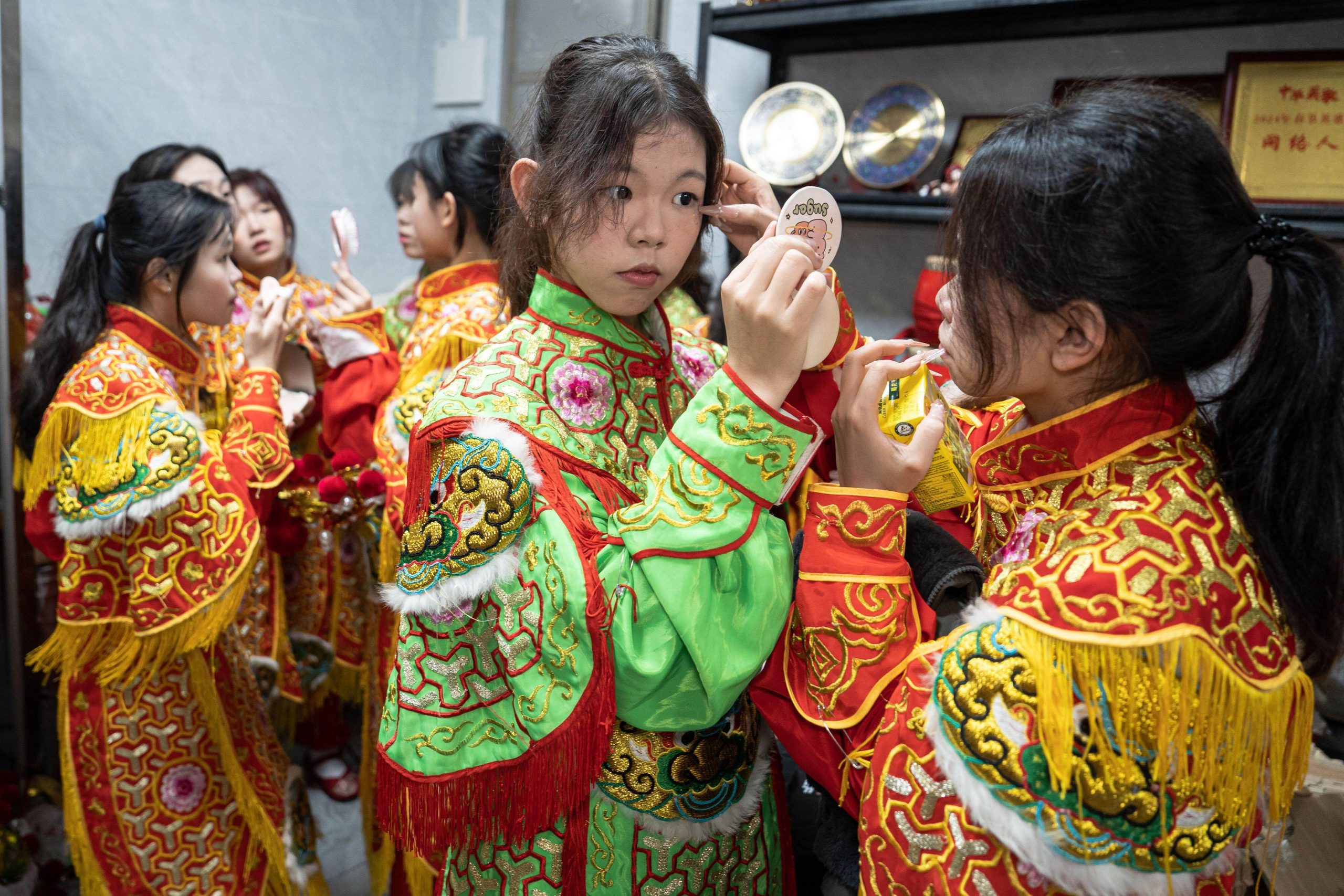
Yingge (英歌舞) traces its roots to the classic Chinese novel “Water Margin” (水浒传), which tells the story of 108 outlaws who become folk heroes. The dancers embody these legendary characters, each with a distinct costume and painted face mask that reveals their personality — red for loyalty, black for righteousness, white for cunning.
The dance blends martial arts, opera, and folk ritual into something entirely unique. Every movement — the stomping feet, the swinging arms, the spinning formations — tells part of the heroes’ story.
When to Witness It
Yingge is performed during major festivals, particularly Chinese New Year and the Lantern Festival. In the days leading up to the celebration, villages across the Chaoshan region hold intense rehearsals. On the day itself, the dance troupe parades through the streets, stopping at temples and homes to perform and bring blessings.

The largest and most famous performances happen in Puning and Chaoyang districts. During the Spring Festival, some villages field troupes of over 200 dancers in spectacular displays that draw crowds from across the country.
The Experience
Watching Yingge is a full-body experience. The drumming resonates in your chest. The synchronized stamping of feet shakes the ground. The painted faces and flowing costumes create a visual spectacle that’s both intimidating and beautiful. It’s raw, powerful, and unlike anything you’ll see in a theater — this is folk art in its purest, most vital form.
In 2006, Yingge was recognized as a National Intangible Cultural Heritage, cementing its status as one of China’s most important living traditions.