Chaoshan Architecture: The Hidden Stories in Old Houses and Ancestral Halls
Wandering through the old neighborhoods of Chaozhou or the ancient villages around Shantou, you’ll notice buildings unlike anywhere else in China. Chaoshan architecture is a unique fusion of southern Chinese, Southeast Asian, and European influences — a reflection of the region’s history as a hub of maritime trade and emigration.
Downhill Tiger, Four-Point Gold
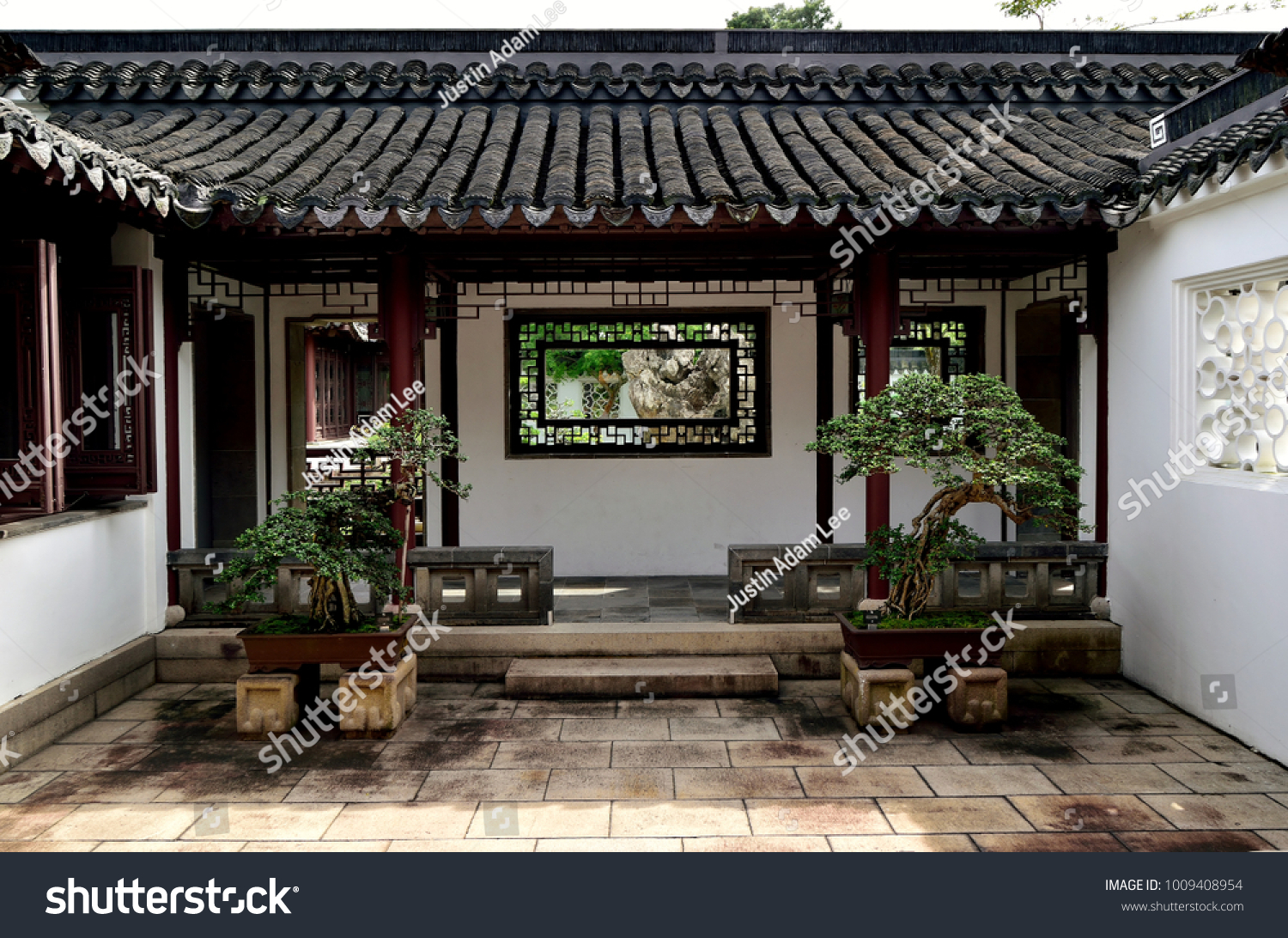
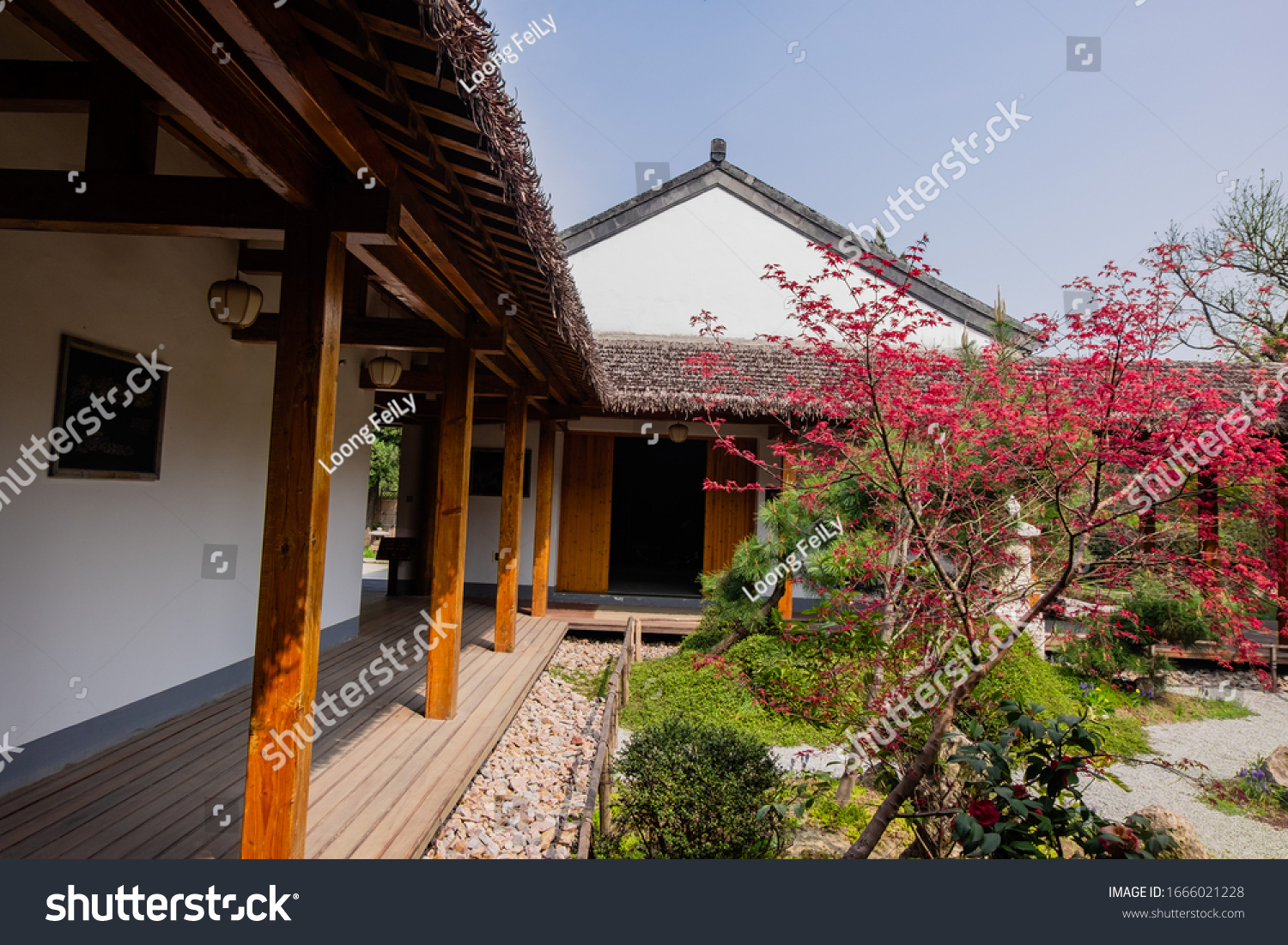
Traditional Chaoshan houses follow two main layouts. The “Downhill Tiger” (下山虎) is a modest courtyard home with a central hall flanked by rooms on three sides — compact, practical, and perfect for the subtropical climate. The more elaborate “Four-Point Gold” (四点金) is a full courtyard residence with rooms on all four sides, reserved for wealthy merchant families.
Both designs prioritize ventilation and shade, with high ceilings, strategically placed windows, and deep eaves that protect against both the summer sun and monsoon rains.
The Art on the Roof
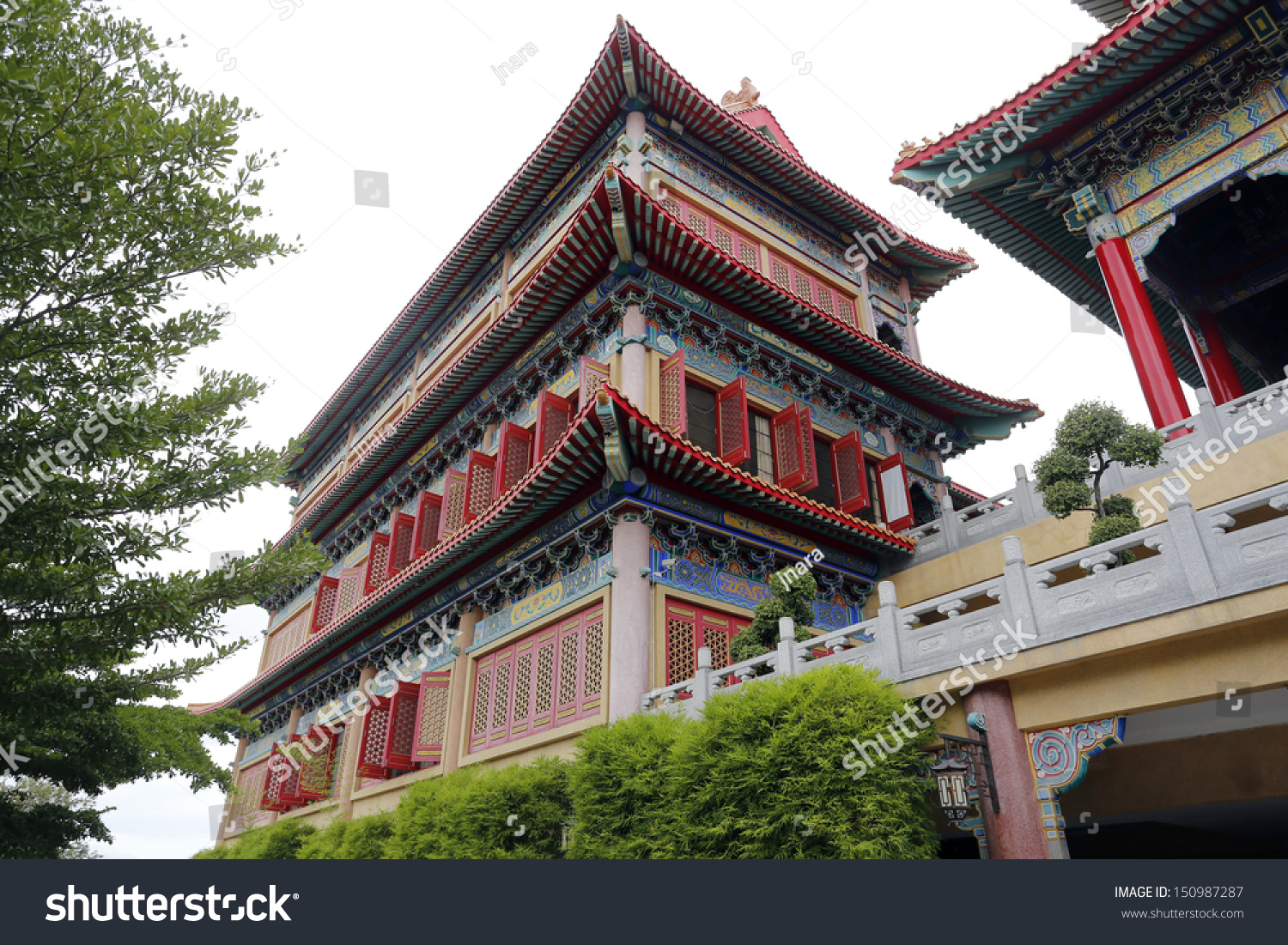
Look up at any old Chaoshan building, and you’ll see something extraordinary: the roof ridges are alive with intricate ceramic figurines — dragons, phoenixes, mythological scenes, and historical dramas, all rendered in brilliant colors. This is Qianci (嵌瓷), the art of ceramic mosaic, where broken porcelain pieces are arranged into elaborate three-dimensional scenes.
It’s a uniquely Chaoshan art form that emerged from the region’s abundant kilns and the practicality of using broken ceramics that were unsellable. Today, it’s recognized as a National Intangible Cultural Heritage.

Must-Visit Architectural Sites
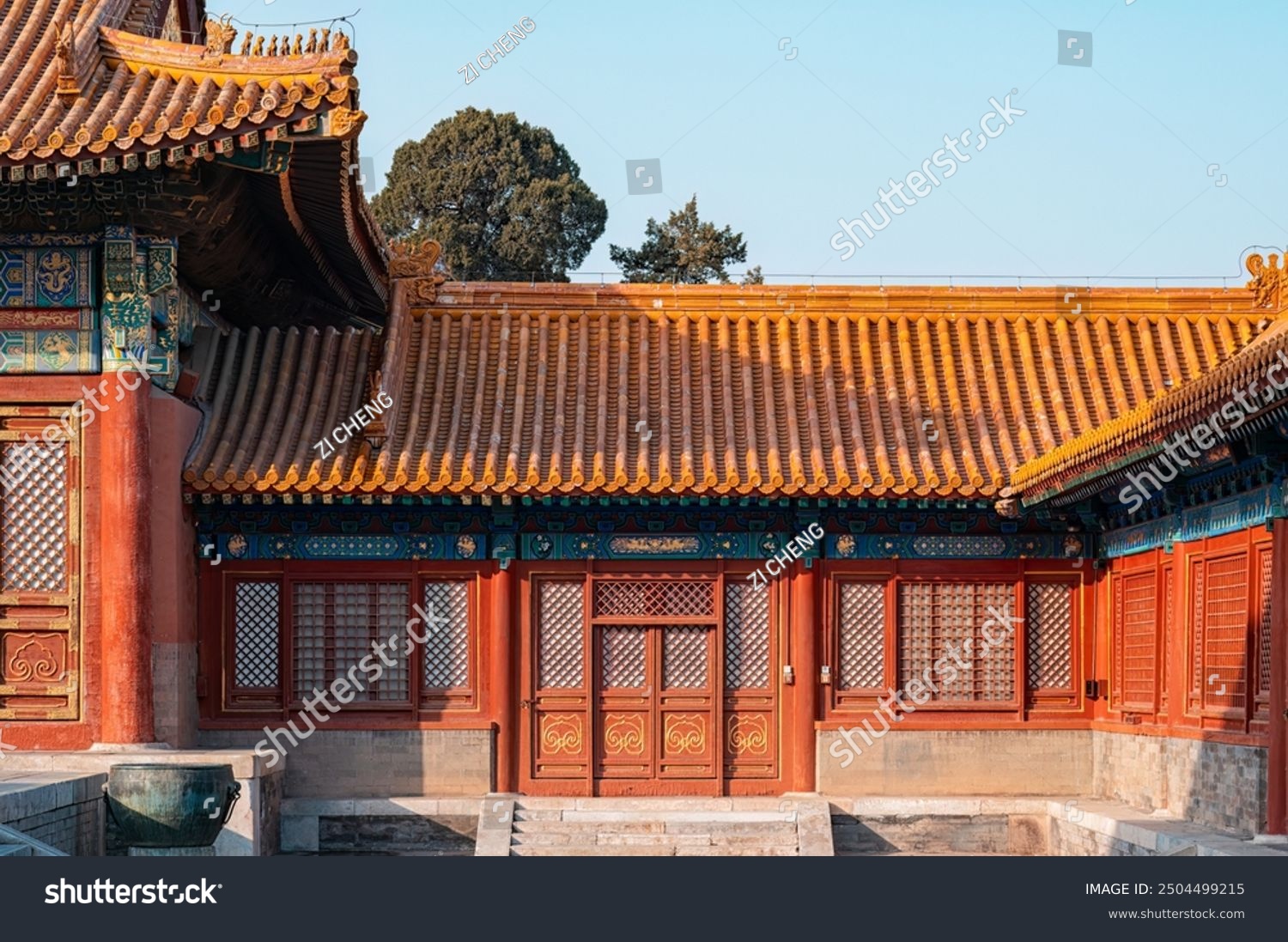
Chen Cihong’s Former Residence in Chenghai is known as the “Number One Overseas Chinese Residence in Lingnan.” This sprawling complex of 506 rooms blends Chinese courtyard design with European decorative elements, telling the story of a Chaozhou native who made his fortune in Thailand.
Longhu Ancient Village preserves an entire Ming and Qing dynasty settlement, with its original street layout, ancestral halls, and the former residences of scholars and officials. Walking its stone-paved lanes feels like stepping back 500 years.
De’an Li in Puning is considered the “textbook of Chaoshan residential architecture” — a perfectly preserved mansion complex that showcases every traditional building technique and decorative art form of the region.